
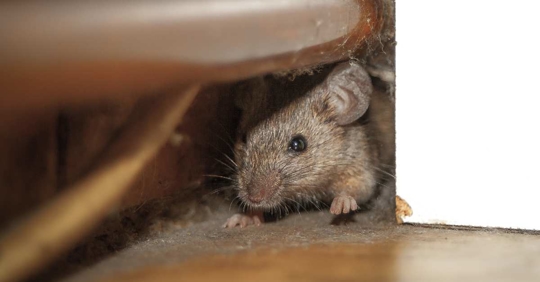
As the temperatures begin to dip on the Mississippi Gulf Coast, the changing seasons bring a beautiful landscape but also a familiar challenge for homeowners. We’re not just talking about the coastal humidity or the occasional storm. We’re talking about tiny invaders looking for a warm, cozy place to call home for the winter: mice.
These resourceful rodents are masters at finding their way indoors. Once inside, they can cause damage to your home and pose potential health risks to your family. Fortunately, there are proactive steps you can take now to make your home less appealing and harder to access for mice.
If you’re already seeing signs of a mouse problem, don't wait for it to get worse. Contact us right away for help with rodent control at (228) 338-6365 or through our online contact form.
Why Do Mice Want to Come Inside?
The Gulf Coast's winter is mild compared to other parts of the country, but it’s still cold enough to make a warm, sheltered home very appealing to mice. When the outdoor food sources become scarce and the weather turns chilly, mice are driven to find three things to survive: food, water, and shelter.
Your home offers all three in abundance. They can find crumbs in the kitchen, a leak under the sink, or a hidden water source, and a warm, dry spot to build a nest in your walls or attic. Understanding what draws them in is the first step toward making your home less attractive to them. You can significantly reduce your chances of an unwanted winter guest by tackling these three basic needs.
Finding and Sealing Entry Points
Mice are incredibly flexible and can squeeze through openings as small as a dime. This makes finding and sealing potential entry points a crucial part of the mouse-proofing process. Don't be fooled into thinking that a small crack is harmless; it could be a welcome mat for a family of rodents. You’ll want to walk the entire perimeter of your home and look for any gaps, cracks, or holes. Pay special attention to areas where utilities enter the house, such as pipes and cables. Here is a checklist of common entry points to inspect:
- Around Utility Lines: Check where your pipes, wires, and cables enter your home, especially in the foundation and exterior walls. Use steel wool or caulk to seal any gaps.
- Cracks in the Foundation: Over time, foundations can develop cracks. These are perfect entry points for mice. Fill these with concrete patching material or a durable sealant.
- Vents and Chimneys: Ensure all vents have secure screens and that your chimney has a cap. Mice can climb and find their way in through these openings.
- Around Windows and Doors: Inspect the seals around all your windows and doors. Replace any worn weather stripping and be sure that door sweeps are installed correctly. Even a small gap at the bottom of a garage door can be an invitation for a mouse.
Once you’ve identified these potential entry points, sealing them is the next step. Simple caulk is good for small cracks, but for larger holes, consider using steel wool, wire mesh, or a combination of both before applying a sealant. Mice cannot chew through steel wool, which makes it a very effective deterrent. By taking the time to inspect and seal your home’s exterior thoroughly, you can create a strong physical barrier that keeps pests out for good.
Tidying Up Your Home's Exterior
The exterior of your home is the first line of defense. A cluttered or unkempt yard can provide mice with the perfect hiding spots and nesting materials right next to your house. As the weather cools, it's a great time to do some yard work with mouse-proofing in mind. Making the area around your home less appealing can deter mice from exploring your property. Here are a few tips for making your yard less hospitable to rodents:
- Trim Landscaping: Keep shrubs and tree branches trimmed away from the side of your house. Mice can use these as bridges to get onto your roof or into your attic.
- Remove Debris: Clear away any piles of wood, yard waste, or junk. These are ideal hiding spots for mice and other pests.
- Manage Garbage: Be sure to use trash cans with tight-fitting lids and store them away from your home's foundation. If possible, consider storing them in a shed or garage.
- Properly Store Firewood: If you store firewood outside, keep it stacked neatly on a rack, at least 20 feet away from your home. The space underneath the wood should also be clear of debris to prevent rodents from nesting.
By keeping the area around your home clean and organized, you make it much more difficult for mice to find shelter close by. This simple step can go a long way in preventing a potential infestation.
Securing Food and Water Sources
Mice are constantly in search of food and water. If they find an easy and plentiful source inside your home, they will quickly take advantage. A little bit of proactive organization can make your home a less attractive destination for them. Start by thinking about where food is stored and how it’s protected. Here's how to secure food and water sources in your home:
- Store Food in Sealed Containers: Transfer dry goods like cereal, rice, and pet food from their original bags into thick plastic, glass, or metal containers with airtight lids.
- Clean Up Spills and Crumbs: Be diligent about cleaning up spills and crumbs, especially in the kitchen. Even tiny food particles can be a feast for a mouse.
- Fix Leaky Pipes: Repair any leaky faucets or pipes immediately. Pests are drawn to any available water source.
- Manage Pet Food: Don’t leave pet food out overnight. Store it in a sealed container and clean up any crumbs after your pet has finished eating.
Taking these steps can eliminate a mouse’s primary motivation for entering your home. If a mouse can't find food or water easily, it is much less likely to stick around.
What to Do If You See Signs of Mice
Despite your best efforts, sometimes mice can still find their way inside. If you start to notice signs like droppings, gnaw marks, or hear scratching noises in your walls or attic, it’s a sign that you have a problem that needs to be addressed quickly. The sooner you act, the easier it will be to get things under control.
While there are many DIY products on the market, like traps and baits, they don’t always provide a complete solution. These products may deal with the mice you see but often don't address the underlying issue: how they got in and where they are nesting. This is where professional help becomes invaluable. A pest control professional can help you identify the extent of the problem and create a plan to safely and effectively remove the pests.
For a comprehensive approach to handling rodent problems, it’s a good idea to seek out professional help. Our team has the knowledge and tools to handle any rodent problem, big or small. We’ll work with you to understand the specific situation in your home and provide a targeted solution that’s right for you. You can learn more about how we handle these issues by visiting our rodent control service page.
Secure Your Gulf Coast Home with a Local Professional
Preparing your Gulf Coast home for the winter is a smart way to protect your property and your family. By taking these proactive steps, you can create a living space that is warm and welcoming to you, but not to mice. If you've done everything you can and are still seeing signs of rodents, or if you simply want the assurance of an expert's inspection, don't hesitate to reach out.
Our team at Insecteco Pest Company is ready to help you solve your pest problems so you can relax and enjoy a pest-free home. Call us today at (228) 338-6365 or visit our online contact form to schedule a consultation.